

Date
- Date
- 14 Nov 2026
Time
- Time
- ...

World Diabetes Day
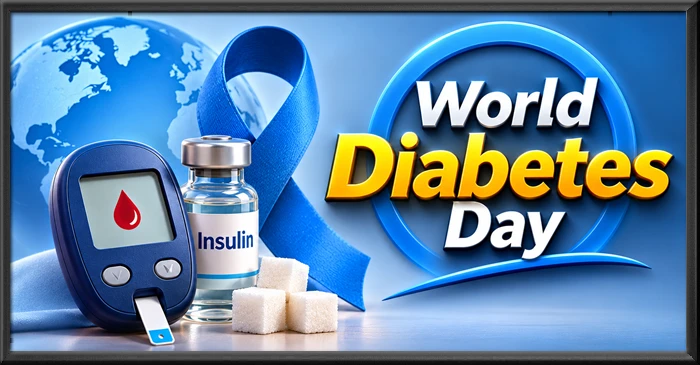
World Diabetes Day is observed annually on 14 November.
Established in 1991 by the International Diabetes Federation (IDF) and World Health Organization (WHO), the observance marks the birthday of insulin co-discoverer Sir Frederick Banting.
Recognised by the United Nations in 2006, it promotes diabetes awareness, prevention, early diagnosis, treatment, and access to care.
World Diabetes Day – History, Origin, Objectives and Significance
World Diabetes Day is observed annually on 14 November to raise global awareness about diabetes, its prevention, early diagnosis, treatment, and management. Established in 1991 by the International Diabetes Federation (IDF) and the World Health Organization (WHO), the observance became an official United Nations Day in 2006.
The date commemorates the birthday of Sir Frederick Banting, the Canadian physician and scientist who played a pioneering role in the discovery of insulin.
World Diabetes Day is one of the world's largest campaigns dedicated to diabetes awareness, bringing together healthcare professionals, governments, organisations, and communities.
History and Origin of World Diabetes Day
World Diabetes Day was established in 1991 by the International Diabetes Federation in collaboration with the World Health Organization.
The initiative emerged in response to growing international concerns about the increasing prevalence of diabetes and its serious health and economic consequences.
The first World Diabetes Day was observed on 14 November 1991.
Its original purpose was to improve public understanding of diabetes and encourage stronger international cooperation in preventing and managing the condition.
Over time, the observance developed into a major global public health campaign advocating better education, affordable treatment, and improved healthcare access.
Why Is World Diabetes Day Celebrated on November 14?
World Diabetes Day is observed on 14 November to commemorate the birthday of Sir Frederick Grant Banting, who was born on 14 November 1891 in Alliston, Ontario, Canada.
Banting, working alongside Charles Best and other researchers, made a pioneering contribution to the discovery and development of insulin as a treatment for diabetes.
The discovery of insulin in 1921 and its subsequent clinical development transformed diabetes treatment and significantly improved the survival of people with type 1 diabetes.
In recognition of their work, Frederick Banting and John Macleod received the 1923 Nobel Prize in Physiology or Medicine.
Choosing Banting's birthday for World Diabetes Day honours this important achievement in medical history.
United Nations Recognition of World Diabetes Day
World Diabetes Day gained official international recognition when the United Nations General Assembly adopted Resolution 61/225 on 20 December 2006.
The resolution designated 14 November as an official United Nations observance, beginning in 2007.
It recognised diabetes as a serious global health challenge with major social and economic consequences.
The resolution encouraged governments, international organisations, and civil society to strengthen public awareness, diabetes prevention, treatment, and care.
The first World Diabetes Day under the official UN designation was observed on 14 November 2007.
What Is Diabetes?
Diabetes is a chronic medical condition characterised by elevated blood glucose levels.
It occurs when the body does not produce sufficient insulin or cannot effectively use the insulin it produces.
Insulin is a hormone that helps regulate blood glucose.
Without appropriate management, persistently elevated blood glucose can damage blood vessels, nerves, and major organs.
Major Types of Diabetes
Type 1 Diabetes
Type 1 diabetes is an autoimmune condition in which the body produces little or no insulin. People with type 1 diabetes require insulin treatment for survival.
There is currently no established way to prevent type 1 diabetes.
Type 2 Diabetes
Type 2 diabetes occurs when the body cannot effectively use insulin and may progressively become unable to produce sufficient insulin.
It is associated with genetic, environmental, and lifestyle factors. Many cases can be prevented or delayed through appropriate preventive measures.
Gestational Diabetes
Gestational diabetes involves elevated blood glucose levels first recognised during pregnancy.
It requires medical monitoring because it can affect the health of both the mother and baby.
Objectives of World Diabetes Day
The major objectives of World Diabetes Day include:
- Raising public awareness about diabetes and its complications.
- Promoting early detection and timely diagnosis.
- Encouraging measures that prevent or delay type 2 diabetes.
- Supporting access to insulin, essential medicines, and appropriate healthcare.
- Improving diabetes education and long-term disease management.
- Encouraging governments to strengthen national diabetes prevention and treatment policies.
- Reducing stigma and discrimination experienced by people living with diabetes.
These objectives reflect the need for coordinated action between healthcare systems, policymakers, and communities.
World Diabetes Day Symbol – The Blue Circle
The official global symbol associated with World Diabetes Day is the Blue Circle.
Introduced by the International Diabetes Federation in 2006, the symbol represents unity in the global response to diabetes.
The circle is a widely recognised symbol of life, health, and unity across cultures.
The blue colour reflects the international character of the diabetes awareness campaign.
The Blue Circle is used in public awareness materials, educational campaigns, advocacy programmes, and community activities.
It has become an internationally recognised symbol of solidarity with people living with diabetes.
Importance of Diabetes Awareness and Prevention
World Diabetes Day highlights the importance of understanding diabetes and recognising its potential complications.
Common symptoms may include increased thirst, frequent urination, unexplained weight loss, fatigue, and blurred vision.
However, type 2 diabetes can develop gradually and may remain undetected for years.
Early diagnosis and appropriate medical treatment can help prevent or delay serious complications involving the eyes, kidneys, heart, nerves, and blood vessels.
Healthy eating, regular physical activity, maintaining a healthy body weight, and avoiding tobacco can reduce the risk of developing type 2 diabetes.
People already diagnosed with diabetes benefit from regular medical follow-up, glucose monitoring when appropriate, prescribed treatment, and screening for complications.
How Is World Diabetes Day Observed?
World Diabetes Day is marked through educational, medical, and community-based activities.
Common observances include:
- Diabetes awareness programmes and public health campaigns.
- Educational seminars and healthcare discussions.
- Community blood glucose screening initiatives.
- Campaigns encouraging access to diabetes medicines and insulin.
- Public events promoting physical activity and balanced nutrition.
- Awareness activities using the Blue Circle symbol.
- Support programmes for people living with diabetes and their families.
The International Diabetes Federation and its partners coordinate international campaigns to encourage public participation.
Historical Significance of World Diabetes Day
World Diabetes Day represents an important milestone in international public health advocacy.
Established in 1991 and recognised by the United Nations in 2006, the observance demonstrates growing international recognition of diabetes as a major noncommunicable disease.
The selection of Frederick Banting's birthday also connects the observance with the historical discovery of insulin, one of the most significant advances in modern medicine.
World Diabetes Day continues to promote awareness, prevention, equitable treatment, and improved quality of life for people affected by diabetes worldwide.
References
- International Diabetes Federation – About World Diabetes Day
https://worlddiabetesday.org/about-wdd/ - World Health Organization – World Diabetes Day
https://www.who.int/campaigns/world-diabetes-day - United Nations – Resolution 61/225: World Diabetes Day
https://mandates.un.org/mandate/A/RES/61/225?subject=Noncommunicable+Diseases - World Health Organization – Diabetes: Questions and Answers
https://www.who.int/news-room/questions-and-answers/item/diabetes - International Diabetes Federation – A New Visual Identity and the Blue Circle
https://idf.org/news-and-resources/news/a-new-visual-identity-for-the-international-diabetes-federation/
Also Read : Insulin was used for the first time to treat diabetes