

Date
- Date
- 23rd Nov 1965
Time
- Time
- ...

King of Indian Rap
Baba Sehgal60
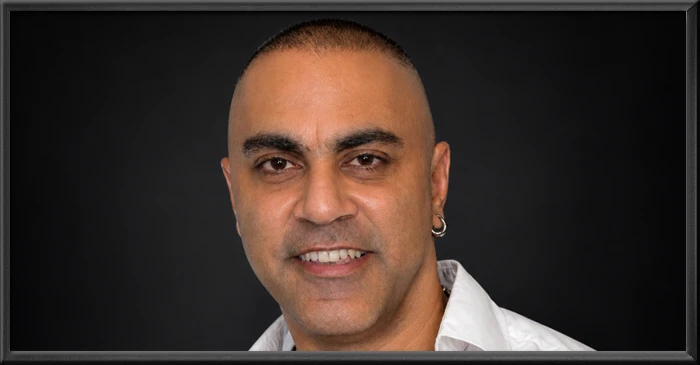
Baba Sehgal (Harjeet Singh Sehgal) – an Indian rapper, singer, songwriter, music composer, and actor.
India's first commercially successful Rapper.
Founder of Baba Sehgal Academy of Hip Hop.
Popularly known as the King of Indian Rap.
Pioneered popular Hindi rap music through his hit album Thanda Thanda Pani (1992).
Baba Sehgal – Biography, Early Life, India's First Rap Pioneer and Career
The rise of independent Hindi pop music in the early 1990s transformed India's music industry, creating opportunities for artists outside traditional film soundtracks. Among the performers who helped popularize this movement was Baba Sehgal, whose humorous lyrics, energetic delivery, and distinctive rap style introduced a new sound to Indian audiences.
His success with independent albums and music videos helped establish Hindi rap as a commercially viable genre. He subsequently expanded his career into playback singing, acting, television, and digital music.
Early Life and Background
Baba Sehgal was born as Harjeet Singh Sehgal on 23 November 1965 in Lucknow, Uttar Pradesh, India.
He developed an interest in music during childhood and was particularly influenced by legendary Indian playback singer Kishore Kumar.
Sehgal studied at Colvin Taluqdars' College in Lucknow and later attended G. B. Pant University of Agriculture and Technology in Pantnagar, where he pursued engineering.
Before entering the music industry, he worked for the Delhi Electric Supply Undertaking (DESU).
Despite having a professional career in engineering, he decided to pursue his ambition of becoming a singer and eventually moved to Mumbai.
Beginning of His Music Career
Baba Sehgal began his professional music career during the emergence of India's independent pop music industry.
His first album, Dilruba, was released in 1990, followed by Alibaba in 1991.
Although these early albums did not achieve major commercial success, they helped him develop his musical identity.
He experimented with rhythmic vocal delivery, humorous Hindi lyrics, and contemporary Western-influenced musical arrangements.
At a time when Hindi film music dominated the industry, his independent recordings represented an alternative approach to popular entertainment.
Breakthrough with Thanda Thanda Pani (1992)
Baba Sehgal achieved national recognition with his album Thanda Thanda Pani, released in 1992.
The title track adapted the musical style and melody of American rapper Vanilla Ice's Ice Ice Baby, while using Hindi lyrics based on Sehgal's experiences.
The album became a major commercial success and is widely recognized as India's first successful Hindi rap album.
Its popularity helped introduce rap music to audiences who were largely unfamiliar with the genre.
The album also featured Dil Dhadke, which became another important song in his career.
The commercial success of Thanda Thanda Pani established Sehgal as a leading figure in India's emerging independent music scene.
Baba Sehgal and the Rise of Indian Music Videos
Music television played a significant role in the development of Sehgal's career.
Working with director Ken Ghosh, he created a music video for Dil Dhadke, featuring Pooja Bedi.
The video helped establish his public image and brought greater recognition to his musical performances.
His work became associated with the development of Indian music videos during the early years of MTV's presence in the country.
Music channels and independent record labels contributed to the popularity of Indian pop artists throughout the 1990s.
Sehgal became one of the recognizable performers of this period.
Major Albums and Popular Songs
Following his initial success, Baba Sehgal continued releasing independent albums and experimenting with different musical styles.
His notable recordings include:
- Dilruba (1990)
- Alibaba (1991)
- Thanda Thanda Pani (1992)
- Main Bhi Madonna (1993)
- Baba Bachao Na (1993)
- Dr. Dhingra (1994)
- Welcome to Mumbai (2005)
His popular songs include Thanda Thanda Pani, Dil Dhadke, Manjula, and Aaja Meri Gaadi Mein Baith Ja.
His music became known for conversational lyrics, playful rhymes, everyday subjects, and an unconventional approach to rap.
Career in Hindi, Telugu and Tamil Cinema
Baba Sehgal expanded his career into Indian film music, performing songs in several languages.
He became especially associated with Telugu cinema through collaborations with prominent music composers, including Devi Sri Prasad.
Among his notable Telugu performances were songs from Jalsa (2008) and Gabbar Singh (2012), both starring Pawan Kalyan.
He also contributed to Tamil film music and other regional productions.
His participation in South Indian cinema introduced his distinctive vocal style to a wider regional audience.
Acting and Television Career
Alongside music, Baba Sehgal worked as an actor and television personality.
He appeared in the Hindi film Miss 420 (1998), further expanding his involvement in entertainment.
He participated in the first season of the Indian reality television programme Bigg Boss in 2006.
His screen appearances also included Telugu cinema, notably the historical film Rudhramadevi (2015).
He subsequently appeared in other film and digital entertainment productions, demonstrating his versatility beyond singing.
Founder of Baba Sehgal Academy of Hip Hop
Baba Sehgal established the Baba Sehgal Academy of Hip Hop, an initiative associated with training in rap music and disc jockeying.
The academy became part of his efforts to encourage emerging performers and introduce younger audiences to hip-hop music.
His academy venture was reported in Hyderabad during the 2010s, reflecting his growing professional involvement in southern India.
The initiative represented an extension of his musical career into education and mentorship.
Digital Music and Social Media Career
With the expansion of digital platforms, Baba Sehgal developed a new audience through independently produced music videos and social media.
He became known for songs about everyday situations, food, technology, fitness, and popular culture.
His later recordings included Going to the Gym, Kela Khao, Adrak Wali Chai, and Corona Go.
His humorous approach to songwriting helped him remain visible beyond the traditional album and film music industries.
By releasing music directly through digital platforms, he continued the independent approach that had defined his early career.
Historical Firsts, Achievements and Popular Titles
India's First Successful Hindi Rapper
Baba Sehgal is widely credited as India's first commercially successful Hindi rapper.
His 1992 breakthrough helped popularize Hindi-language rap and contributed to the growth of Indian hip-hop and Indipop.
Pioneer of Independent Hindi Rap
He was among the earliest Indian artists to establish a commercially successful career around Hindi rap outside conventional film music.
Founder of Baba Sehgal Academy of Hip Hop
He founded the Baba Sehgal Academy of Hip Hop to support training and participation in hip-hop music.
King of Indian Rap
Baba Sehgal has frequently been described as the King of Indian Rap, a popular media epithet recognizing his pioneering contribution to the genre.
This is a popular title rather than a government-conferred honour.
Legacy and Significance
Baba Sehgal's contribution to Indian music extends beyond the popularity of individual songs.
His breakthrough demonstrated that Hindi rap could achieve mainstream commercial success in a market traditionally dominated by film music.
He helped develop the independent music culture of the 1990s and contributed to the growing importance of music videos.
His later work in regional cinema and digital entertainment illustrates his ability to adapt to changing musical trends.
His career remains an important chapter in the history of Indian rap and independent popular music.
Frequently Asked Questions
What is Baba Sehgal's real name?
His real name is Harjeet Singh Sehgal, also spelt Harjit Singh Sehgal.
When was Baba Sehgal born?
Baba Sehgal was born on 23 November 1965.
Where was Baba Sehgal born?
He was born in Lucknow, Uttar Pradesh, India.
Is Baba Sehgal India's first rapper?
He is widely recognized as India's first commercially successful Hindi rapper. His Thanda Thanda Pani album played a pioneering role in bringing Hindi rap to mainstream audiences.
Which album made Baba Sehgal famous?
Thanda Thanda Pani (1992) established him as a nationally recognized rap artist.
Which academy did Baba Sehgal establish?
He established the Baba Sehgal Academy of Hip Hop, associated with rap and DJ training.
Why is Baba Sehgal called the King of Indian Rap?
The popular epithet recognizes his early contribution to making Hindi rap commercially successful and widely recognized in India.
Conclusion
Baba Sehgal played an influential role in shaping the early development of Hindi rap and independent pop music.
From his initial recordings and breakthrough albums to his work in regional cinema and digital entertainment, his career illustrates the evolution of India's popular music industry.
His pioneering commercial success remains an important milestone in the history of Indian hip-hop.
References
- The Indian Express – Baba Sehgal: Biography, Birth Date and Career
- Hindustan Times – Baba Sehgal on His Early Life, Birthday and Music Career
- Rediff – Baba Sehgal on His First Albums and Thanda Thanda Pani
- India Today – Thanda Thanda Pani and the Hindi Rap Scene (1992)
- The New Indian Express – Baba Sehgal Academy of Hip Hop and Telugu Film Career
- SBS Hindi – Baba Sehgal: Pioneer of Professional Hindi Rap
Also Read : Meher Baba