


Date
- Date
- 11 Nov 2026
Time
- Time
- ...
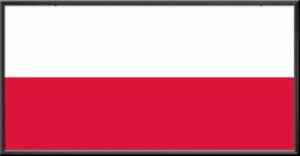
Poland Independence Day
Poland Independence Day is observed annually on November 11.
The national holiday commemorates Poland's restoration of independence on November 11, 1918, after 123 years of partitions.
Józef Piłsudski assumed military command during the country's rebirth. Officially established as a public holiday in 1937 and restored in 1989, it celebrates Polish sovereignty, unity, and national identity.
Poland Independence Day – History, Restoration of Independence and Significance
Poland Independence Day, officially known as National Independence Day (Narodowe Święto Niepodległości), is observed annually on November 11 to commemorate Poland's restoration of independence in 1918 after 123 years of foreign partitions.
November 11 is one of Poland's principal national holidays, recognising the country's return to sovereign statehood and honouring the generations who contributed to its independence.
The date is particularly associated with Józef Piłsudski, who assumed command of Polish military forces on November 11, 1918, during the final stages of the First World War.
The holiday was officially established on April 23, 1937, abolished after the Second World War in 1945, and restored on February 15, 1989.
History of Poland Independence Day
The history of Poland Independence Day is connected to the partitions of the Polish–Lithuanian Commonwealth, the struggle to preserve Polish national identity, and the re-establishment of an independent Polish state after the First World War.
The Partitions of Poland – 1772, 1793 and 1795
During the late eighteenth century, the Polish–Lithuanian Commonwealth experienced three territorial partitions carried out by neighbouring powers.
- First Partition – 1772: Russia, Prussia and Austria divided significant territories of the Commonwealth.
- Second Partition – 1793: Russia and Prussia seized additional Polish territories.
- Third Partition – 1795: The remaining territories were divided, ending the Commonwealth's existence as a sovereign state.
Following the final partition, Poland disappeared from the political map of Europe as an independent state.
The Polish people remained under foreign rule for 123 years, although Polish cultural traditions, language, literature and national identity continued to survive.
The Struggle for Polish Independence
Throughout the nineteenth century, Polish independence movements sought to restore the country's sovereignty.
Important developments included the November Uprising of 1830–1831 and the January Uprising of 1863–1864.
Although these uprisings did not immediately restore independence, they became important symbols of national resistance.
Polish intellectuals, writers, educators, political activists and community organisations also contributed to preserving national identity.
Their activities helped sustain the aspiration for an independent Polish state.
The First World War and Polish Independence
The outbreak of the First World War in 1914 created new political and military circumstances.
The partitioning powers became involved in opposing military alliances, weakening the political arrangements that had maintained Poland's division.
Polish political and military leaders pursued independence through different strategies, including military organisation, diplomacy and international negotiations.
Józef Piłsudski played a prominent role in organising Polish military forces.
Other important figures included Roman Dmowski, Ignacy Jan Paderewski, Ignacy Daszyński, Wincenty Witos, Józef Haller and Wojciech Korfanty.
These leaders represented different political traditions but contributed to the broader process of restoring Polish independence.
What Happened on November 11, 1918?
November 11, 1918, is recognised as the symbolic date of Poland's restored independence.
Two important developments occurred on that day.
1. Józef Piłsudski Assumed Military Command
The Regency Council in Warsaw transferred supreme military command of Polish forces to Józef Piłsudski.
Piłsudski had recently returned to Warsaw following his release from imprisonment in Germany.
The transfer marked an important step towards the formation of independent Polish state institutions.
On November 14, 1918, the Regency Council relinquished its remaining authority, and Piłsudski assumed broader responsibility for the emerging state.
2. The Armistice Ending Fighting on the Western Front
On November 11, 1918, Germany signed an armistice with the Allied powers near Compiègne, France.
The agreement brought major fighting on the Western Front of the First World War to an end.
Germany's defeat and the collapse of the wartime political order created favourable conditions for the restoration of Polish sovereignty.
Poland's independence was not secured through a single declaration on November 11. It emerged through a sequence of political, military and diplomatic developments.
Nevertheless, November 11 became the nationally recognised date commemorating Poland's return to independence.
Who Was Responsible for Poland's Independence?
The restoration of Polish independence was a collective historical achievement rather than the work of a single founder.
Several leaders made important contributions.
Józef Piłsudski
Józef Piłsudski was a Polish military commander and political leader associated with the restoration of independence.
His assumption of military authority on November 11, 1918, made him one of the central figures of the newly independent state.
Roman Dmowski
Roman Dmowski was a Polish politician and diplomat who pursued international recognition of Polish national aspirations.
He represented Polish interests through diplomatic initiatives connected to the First World War and the postwar settlement.
Ignacy Jan Paderewski
Ignacy Jan Paderewski was a pianist, composer and statesman who promoted the Polish independence cause internationally.
He later served as Prime Minister of Poland during the early years of the restored republic.
Other Independence Leaders
Ignacy Daszyński, Wincenty Witos, Józef Haller and Wojciech Korfanty also contributed to Polish political organisation, military activity or the consolidation of independence.
The restoration of Polish sovereignty reflected the efforts of many generations of Polish citizens and independence advocates.
When Was Poland Independence Day Officially Established?
Although Poland regained independence in 1918, November 11 was not immediately established as a statutory national holiday.
Early Independence Commemorations
The first anniversary celebrations developed gradually during the early years of the Second Polish Republic.
The Polish Sejm records an important independence anniversary ceremony on November 14, 1920, when Józef Piłsudski received his marshal's baton.
In subsequent years, commemorations were associated with military ceremonies and the Sunday following November 11.
Official Recognition – April 23, 1937
The Polish Parliament formally established November 11 as Poland Independence Day through legislation dated April 23, 1937.
The law recognised November 11 as the anniversary of Poland's restored sovereignty and associated the date with Józef Piłsudski.
It also designated the occasion as a public holiday.
The officially established holiday was celebrated in 1937 and 1938 before the outbreak of the Second World War.
Abolition – 1945
Following the Second World War, Poland's postwar communist authorities abolished the November 11 national holiday in 1945.
The government instead promoted National Day of the Rebirth of Poland on July 22.
Although November 11 was no longer officially recognised as a national holiday, the historical anniversary continued to hold significance for many Polish people.
Restoration – February 15, 1989
During Poland's political transformation, the national holiday was restored through legislation enacted on February 15, 1989.
The restored observance received the official name National Independence Day (Narodowe Święto Niepodległości).
November 11 was once again designated as a public holiday.
Why Is Poland Independence Day Celebrated on November 11?
November 11 was selected because it symbolises the restoration of Polish sovereignty in 1918.
The date connects the transfer of military authority to Józef Piłsudski with the conclusion of major fighting in the First World War.
It also represents the culmination of decades of political activism, national resistance and international diplomacy.
Although the formation of independent Polish institutions extended beyond November 11, the date became the recognised national anniversary of Poland's rebirth.
How Is Poland Independence Day Celebrated?
Poland Independence Day is observed through official ceremonies, cultural programmes, educational events and public commemorations.
National Flag Displays
The Polish national flag, featuring white and red horizontal stripes, is prominently displayed on public buildings, homes and streets.
Official Ceremonies in Warsaw
The principal national commemorations traditionally take place at Piłsudski Square in Warsaw.
Senior government officials and representatives of the armed forces participate in ceremonies at the Tomb of the Unknown Soldier.
These events commonly include military honours, the national anthem and wreath-laying ceremonies.
Patriotic Parades and Gatherings
Various cities organise parades, commemorative gatherings and public events recognising Polish independence.
Cultural Programmes
Concerts, exhibitions, historical presentations and other cultural activities commemorate Polish history, independence movements and national heritage.
Educational Activities
Schools, universities and cultural institutions organise programmes explaining the partitions of Poland, the First World War and the restoration of Polish sovereignty.
Community and Family Celebrations
Families and communities participate in patriotic activities, attend public events and reflect on the historical importance of independence.
Objectives of Poland Independence Day
The main objectives of Poland Independence Day are:
- Commemorate Poland's restoration of independence in 1918.
- Honour generations who contributed to the struggle for sovereignty.
- Preserve the memory of Polish national history.
- Recognise the importance of independence and self-government.
- Promote awareness of Poland's historical and cultural identity.
- Encourage historical education and public remembrance.
- Recognise the contributions of Polish independence leaders.
- Strengthen understanding of Poland's national heritage.
Significance of Poland Independence Day
Poland Independence Day represents a defining event in modern Polish history.
The restoration of sovereignty in 1918 marked the reappearance of an independent Polish state after more than a century of partitions.
The anniversary honours the efforts of political leaders, soldiers, independence organisations and ordinary citizens who contributed to maintaining national identity.
It also reflects the importance of historical memory in understanding the development of modern Poland.
The establishment of the holiday in 1937, its abolition in 1945 and its restoration in 1989 demonstrate the changing political circumstances through which Poland's independence commemorations evolved.
Today, November 11 remains a recognised national public holiday and an important occasion for historical reflection.
Poland Independence Day and Constitution Day – Difference
Poland observes two important national historical anniversaries with different origins.
| Feature | Poland Independence Day | Poland Constitution Day |
|---|---|---|
| Date | November 11 | May 3 |
| Historical Event | Restoration of independence in 1918 | Adoption of the Constitution of 1791 |
| Main Focus | National sovereignty | Constitutional history |
| Country | Poland | Poland |
Both dates hold important places in Polish national history, but they commemorate different historical developments.
Conclusion
Poland Independence Day, observed annually on November 11, commemorates the restoration of Polish independence in 1918 after 123 years of partitions.
The date is closely associated with Józef Piłsudski's assumption of military command and the end of major fighting in the First World War.
Officially established as a public holiday in 1937, abolished in 1945 and restored in 1989, National Independence Day remains an important symbol of Polish sovereignty, historical memory and national identity.
References
- Ministry of Foreign Affairs, Republic of Poland – National Independence Day
https://www.gov.pl/web/diplomacy/national-independence-day - Institute of National Remembrance – Brief History of Poland
https://eng.ipn.gov.pl/en/brief-history-of-poland - Polish Institute of National Remembrance – November 11, 1918 Historical Timeline
https://pw.ipn.gov.pl/pwe/calendar/2742,11-November-1918.html - Polish Parliament (Sejm) – Independence Day Act, April 23, 1937
https://api.sejm.gov.pl/eli/acts/DU/1937/255/text.html - Government of Poland – National Independence Day Act, February 15, 1989
https://eli.gov.pl/api/acts/DU/1989/34/text.html - Chancellery of the President of Poland – National Independence Day: Historical Background
https://www.prezydent.pl/aktualnosci/wydarzenia/narodowe-swieto-niepodleglosci,110005 - Statistics Poland – National Independence Day, November 11
https://stat.gov.pl/en/news/national-independance-day-11-november,156,1.html - Institute of National Remembrance – National Independence Day, November 11
https://ipn.gov.pl/pl/historia-z-ipn/233167,Narodowe-Swieto-Niepodleglosci-11-listopada.html
Also Read : Colombia Independence Day